Camp Skills
Knots & tarp rigging
Seven knots and one tight ridgeline solve almost every problem at camp: rain, wind, sun, drying clothes, hanging food and strapping down gear. This is the highest-return skill you can learn in an afternoon.
Learn these seven
The knots that cover every camp problem
Practise each one with a piece of cord on the couch until you can tie it without looking. Knots you can only tie from a diagram are knots you can't tie in wind, rain and the dark — which is exactly when you need them.
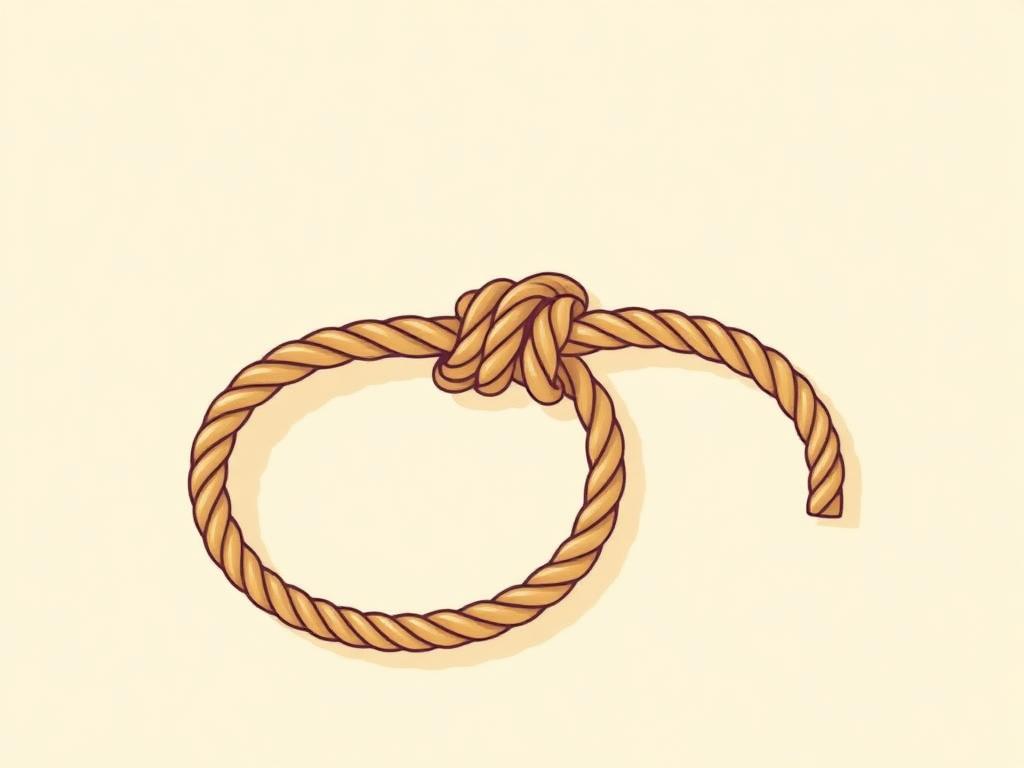
Bowline — a loop that won't slip
Tie a fixed loop in the end of a rope. Holds under load, unties easily afterwards. Use it for tying out a tarp corner, making a rescue loop or securing a line to a ring. 'The rabbit comes out of the hole, round the tree, back down the hole.'

Taut-line hitch — the adjustable guyline
A friction hitch that slides to tension and grips under load. This is the knot on every guyline you own. Retension in the morning after dew slackens everything without untying anything.
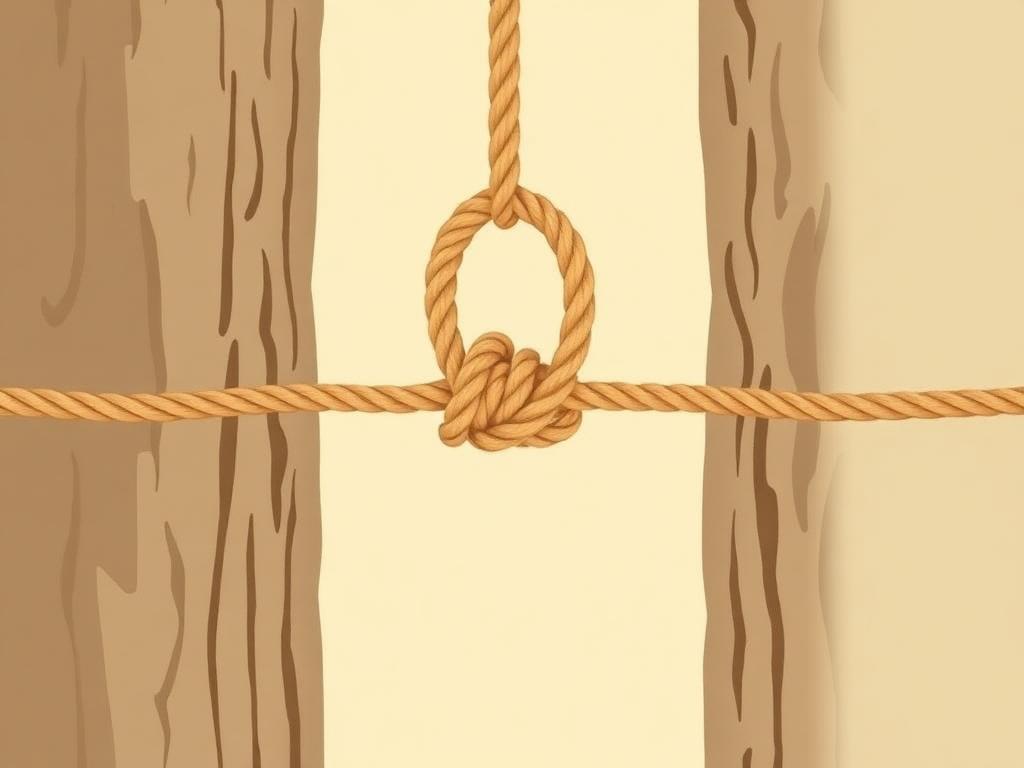
Trucker's hitch — mechanical advantage
Creates a loop mid-rope you pull through for roughly 3:1 purchase. The knot for a bar-tight ridgeline, strapping gear to a roof rack, or hauling a tarp flat in wind.
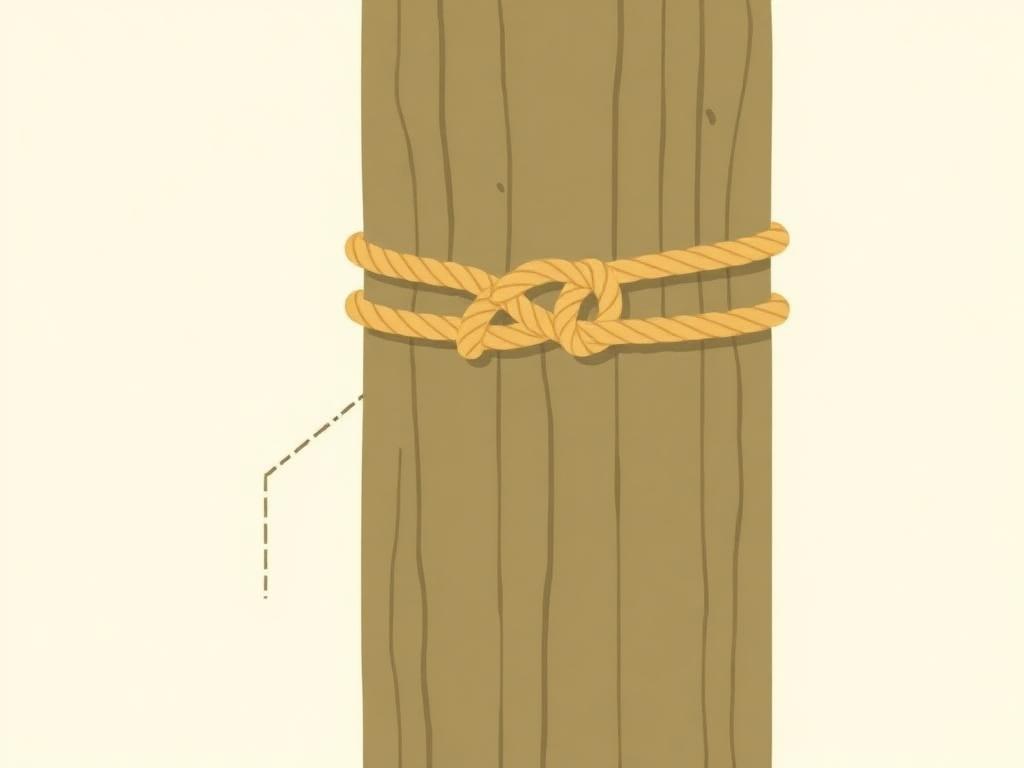
Clove hitch — fast attachment
Two turns around a post or tree, done in seconds, adjustable along the object. Great for starting a lashing or hanging a lantern pole. Back it up with a half hitch if it matters.
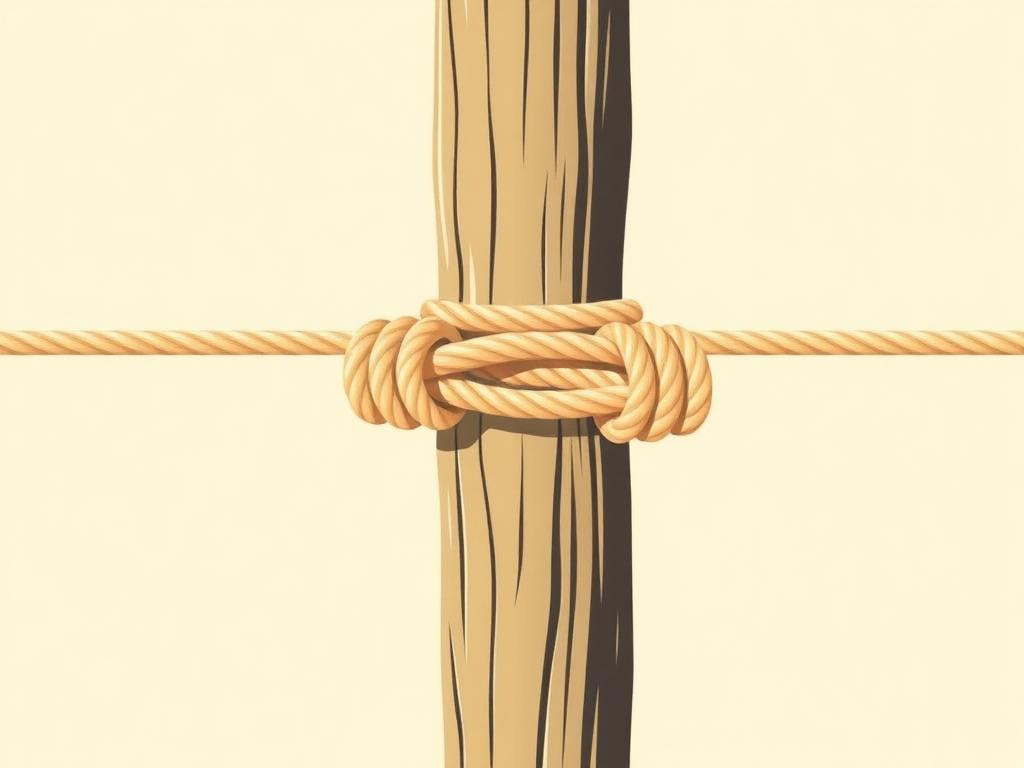
Two half hitches — the reliable finish
The simplest way to tie a rope to anything solid. Slightly less elegant than a bowline but faster and easier to remember at 2am when the wind picks up.
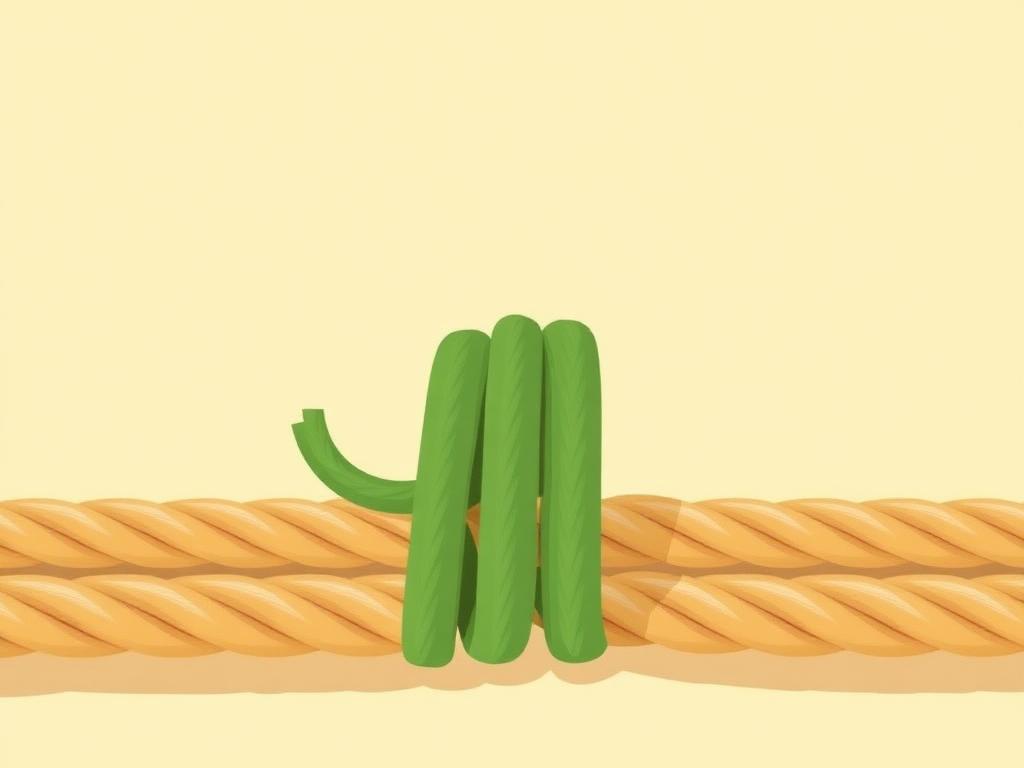
Prusik — a sliding grip
A loop of thin cord wrapped around a thicker rope. Slides when unloaded, bites when loaded. Perfect for attaching tarp corners anywhere along a ridgeline.
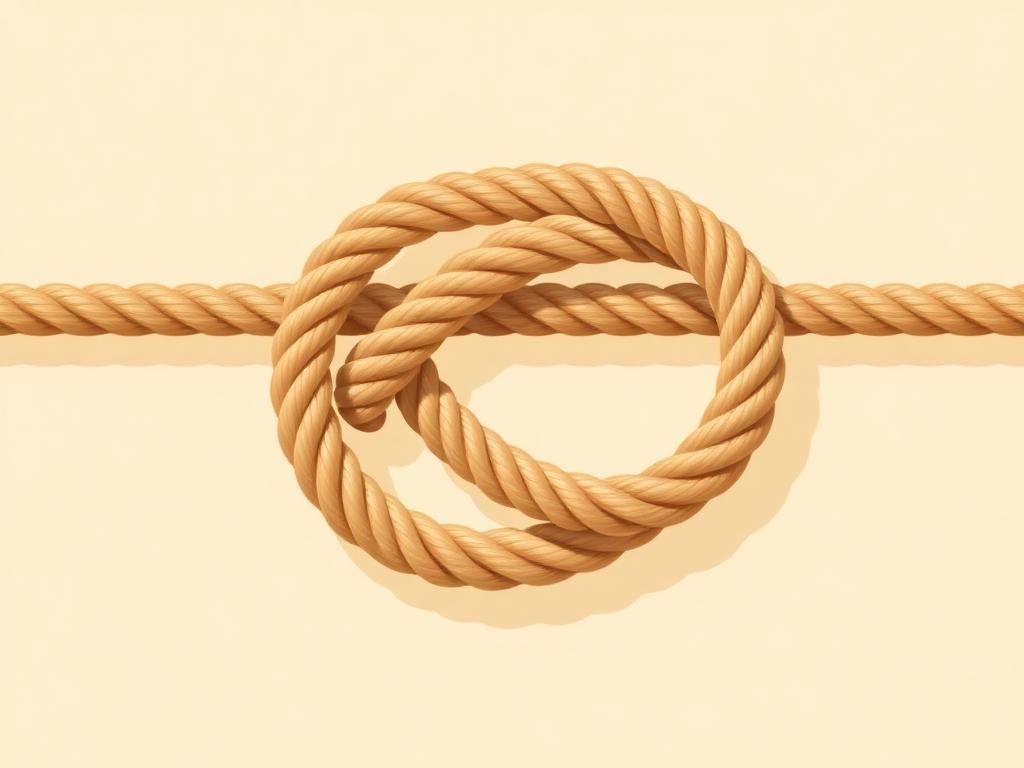
Figure-eight on a bight — a strong mid-line loop
A loop anywhere along the rope for hanging gear, clipping a carabiner, or isolating a damaged section. Bulkier than a bowline but easier to inspect and never jams badly.
The backbone
Setting a ridgeline that stays tight
- 1
Pick two solid anchors
Live trees at least 6 inches thick, 12–20 feet apart. Check overhead for dead branches before you commit — 'widowmakers' are the real hazard, not the knot.
- 2
Protect the bark
Use tree straps or wrap webbing rather than biting rope into bark. Many parks require it and it's basic Leave No Trace.
- 3
Tie one end with a bowline
Fixed, unmistakable, and easy to release when everything is soaked and swollen.
- 4
Tension the other with a trucker's hitch
Pull it drum-tight. A sagging ridgeline puts a belly in the tarp, which fills with water and eventually collapses.
- 5
Hang the tarp with prusiks
Two prusik loops let you slide the tarp along the line and centre it perfectly without retying anything.
- 6
Add drip lines
A short piece of cord tied around the ridgeline just outside each tarp edge diverts water that would otherwise run along the rope and into your shelter.
Tight beats clever
Six pitches
Tarp configurations and when to use them
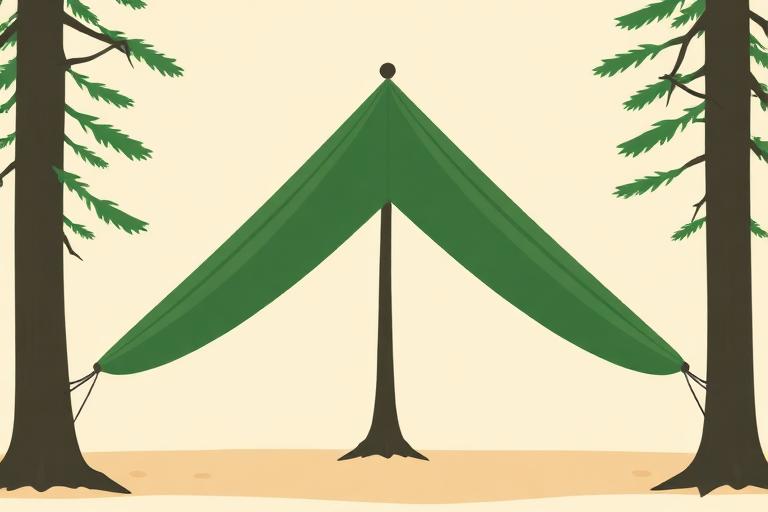
A-frame
Ridgeline down the middle, both sides staked out. The default: even coverage, sheds rain and snow, decent in moderate wind. Lower the sides as wind increases.
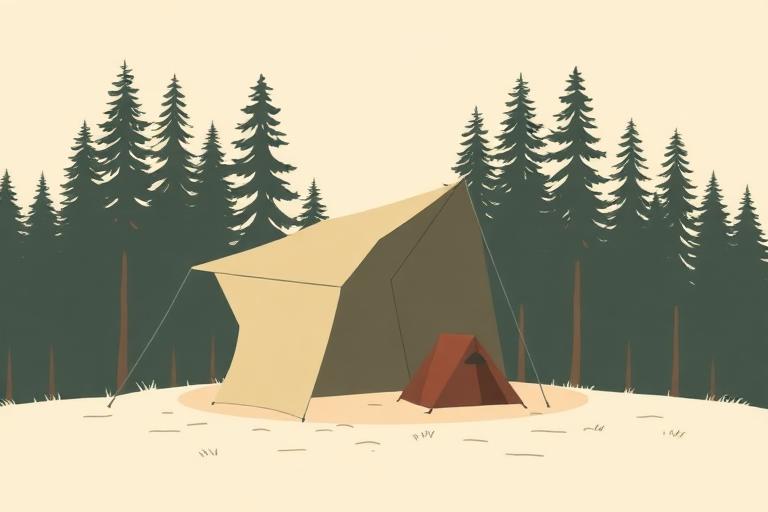
Lean-to
One edge high on the ridgeline, the other staked to the ground. Open to a view or a fire (from a safe distance), with a solid back to the weather.
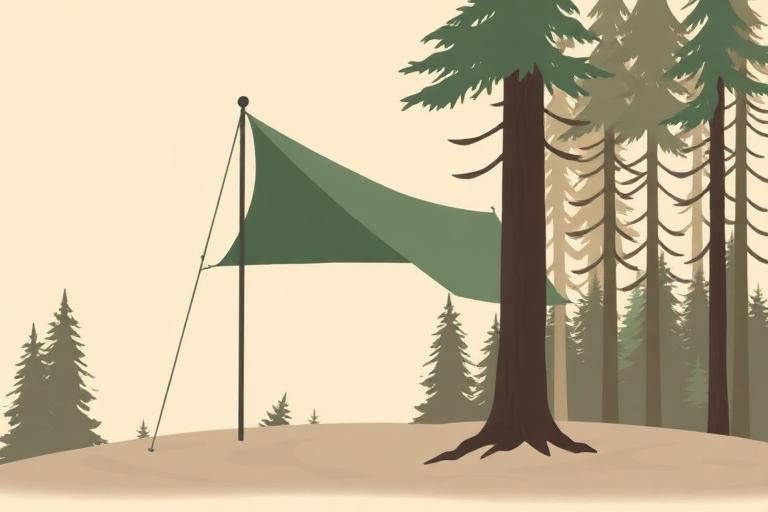
Diamond / plow point
One corner high, opposite corner staked low, side corners out. Fast, uses one line, excellent for solo sleeping in wind.
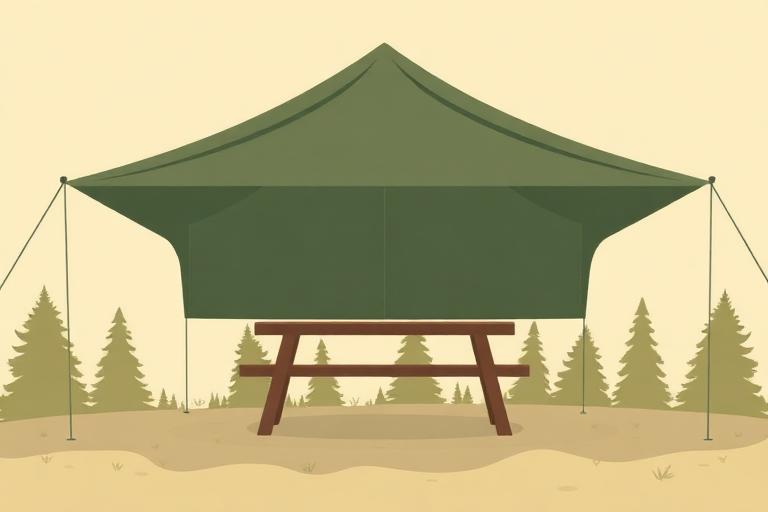
Flying V / dining fly
Two high corners, two low, a large sheltered space beneath. The tarp shape you want over a picnic table.
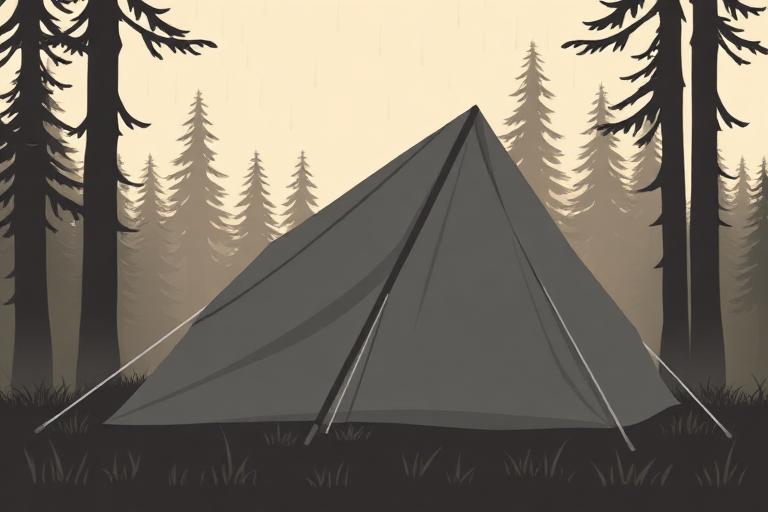
Storm mode
Ridgeline dropped to knee height, all edges pegged tight to the ground, narrow end into the wind. Cramped and unglamorous; it survives the night.
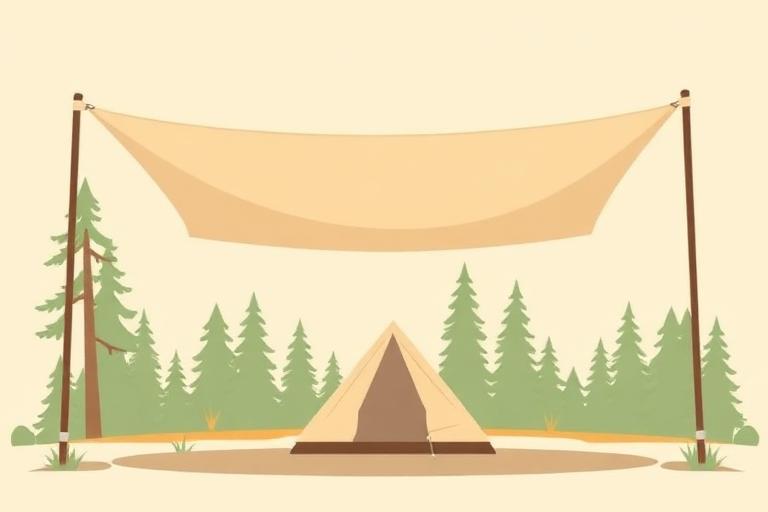
Sun shade
All four corners high on poles or trees, deliberately loose, maximum airflow. Only for dry, calm weather — it catches wind like a sail.
Materials
Choosing rope, cord and hardware
550 paracord
Cheap, strong, stretchy. Fine for guylines and general camp use; the stretch makes it a poor ridgeline in rain because it sags as it wets.
Dyneema / Zing-It
Almost no stretch, very light, very strong. The right ridgeline material and worth the price if you tarp often.
Reflective guyline
The same cord with a reflective tracer. Worth every cent for not clotheslining yourself on the way to the bathroom.
Tensioners
Aluminium line-locs do a taut-line hitch's job with cold, wet hands. Carry both — know the knot, use the hardware.
How much to carry
50ft of ridgeline plus six 8ft guylines covers almost every camp scenario. Add another 50ft for bear hangs and clotheslines.
Care
Dry cord before storage, melt cut ends, and coil rather than stuff. A tangled 50ft line in the dark is its own kind of misery.
Fixes
When it isn't working
Water pooling in the tarp
Your ridgeline is sagging or a side isn't tensioned. Retension, add a centre pole under the pool point, or steepen the pitch angle.
Tarp flapping loudly
Tension is uneven. Pull opposing corners in sequence, not one at a time, and drop the pitch height.
Stakes pulling out
Wrong stake for the ground. Use long stakes in sand, rocks as deadmen on hardpack, and a 45° angle away from the load.
Rain running inside along the ropes
You need drip lines on every cord entering the shelter.
Knots jamming solid
You used an overhand where a bowline belonged. Wet nylon under load tightens brutally — choose knots that release.
Condensation underneath
Not a leak. Increase airflow by lifting one edge slightly; a fully sealed tarp always drips.